In the world of fitness, the significance of nutrition cannot be overstated. For anyone dedicated to leading an active lifestyle, understanding the role of food in fueling workouts and aiding recovery is essential. This article explores the key components of a nutritious diet, focusing on fruits, vegetables, whole grains, lean proteins, healthy fats, and hydration. By incorporating these elements into daily meals, individuals can enhance their performance and overall well-being.
The Vital Connection Between Nutrition and Fitness
Nutrition serves as the foundation for any fitness regimen. It is not merely about consuming calories but understanding what the body needs to thrive during physical activity. A well-balanced diet can optimize energy levels, support muscle recovery, and improve performance in various activities. Whether you are a seasoned athlete or a weekend warrior, prioritizing nutrition is crucial for achieving fitness goals.
Fruits: Nature’s Energy Boosters
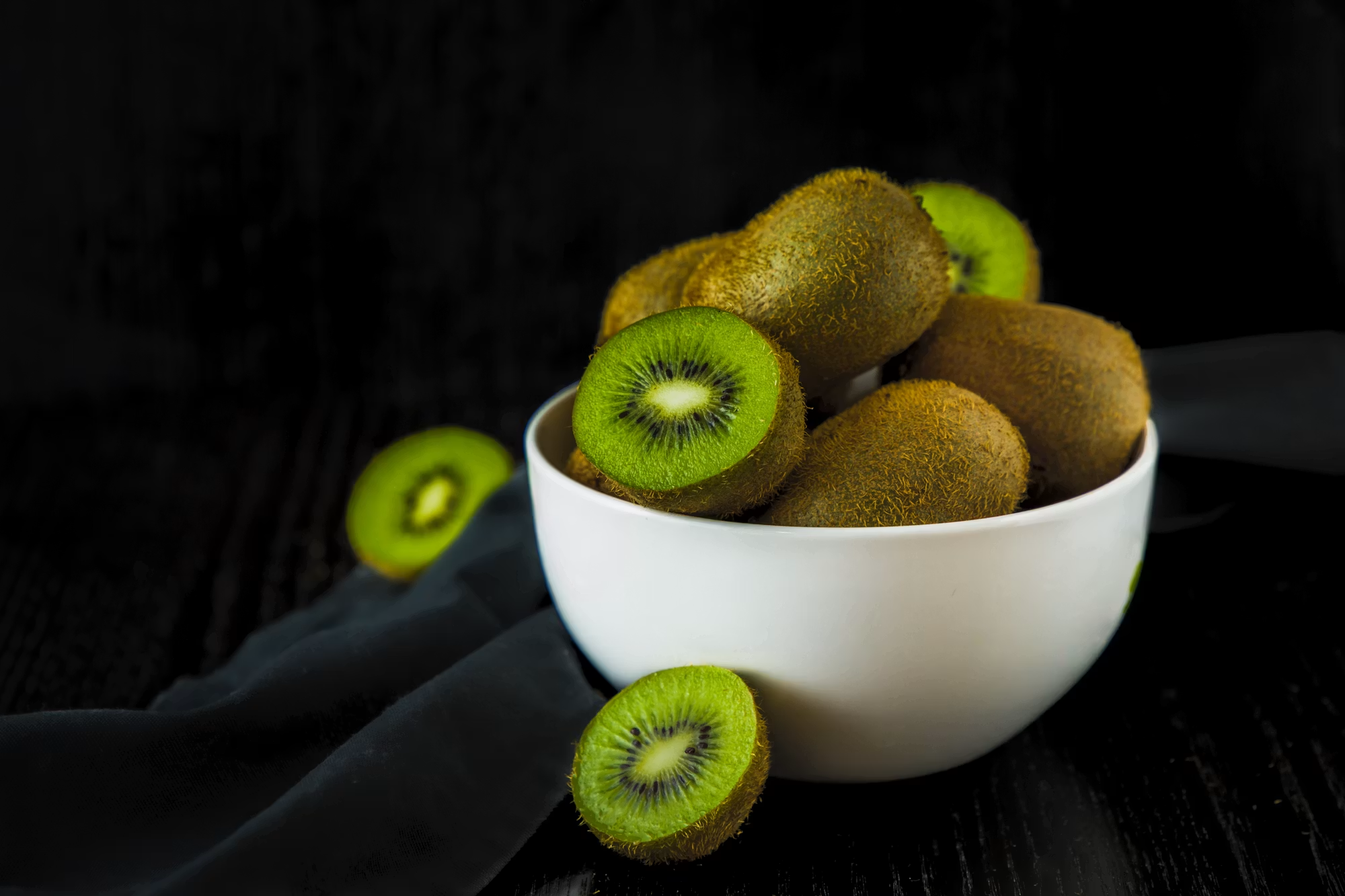
Fruits are a delicious and nutritious addition to any diet, providing essential vitamins, minerals, and antioxidants. They are rich in natural sugars, which serve as a quick energy source, making them an excellent pre- or post-workout snack. Berries, such as blueberries and raspberries, are particularly high in antioxidants, helping to combat oxidative stress and support recovery after intense workouts. Citrus fruits, including oranges and grapefruits, offer a burst of vitamin C, important for immune support and overall health.
Bananas are well-known among fitness enthusiasts for their high potassium content, which aids in muscle function and helps prevent cramps during exercise. Additionally, avocados provide healthy fats and fiber, promoting satiety and sustained energy. Incorporating a colorful variety of fruits into your daily meals not only enhances flavor but also boosts nutritional value. For example, a smoothie made with spinach, banana, and berries can serve as a nutrient-dense breakfast or snack.
Vegetables: The Unsung Heroes of Nutrition
Vegetables are often underrepresented in many diets, yet they are crucial for optimal health and performance. Packed with vitamins, minerals, and dietary fiber, vegetables provide essential nutrients that support overall well-being. Leafy greens like spinach and kale are nutrient-dense options, rich in iron and calcium, which are vital for muscle function and bone health. Cruciferous vegetables, such as broccoli and cauliflower, contain compounds that support detoxification and may reduce inflammation, making them valuable for active individuals.
Incorporating a variety of colorful vegetables into meals can enhance both flavor and nutrient intake. For instance, a stir-fry featuring bell peppers, carrots, and snap peas not only adds vibrant colors to the plate but also provides a rich array of nutrients. Roasting vegetables with herbs and spices can bring out their natural sweetness and create satisfying side dishes that complement any main course.
Whole Grains: Sustained Energy for Active Lifestyles
Whole grains are an essential source of energy for anyone engaged in regular physical activity. Unlike refined grains, whole grains retain their bran and germ, making them rich in fiber and nutrients. Foods such as brown rice, quinoa, oats, and whole grain bread are excellent sources of complex carbohydrates, which provide sustained energy for workouts and help maintain stable blood sugar levels.
Quinoa, in particular, is celebrated for its complete protein profile, making it an excellent choice for vegetarians and vegans. By incorporating whole grains into your diet, you can significantly enhance your nutritional intake. For example, a hearty bowl of oatmeal topped with nuts and fruit can serve as a nourishing breakfast that keeps you full throughout the morning. Additionally, whole grain pasta paired with a variety of vegetables can create a satisfying and nutrient-rich meal.
Lean Proteins: Building Blocks for Muscle Recovery
Protein is a crucial nutrient for anyone involved in fitness, playing a vital role in muscle repair and growth. Lean protein sources such as skinless poultry, fish, legumes, and plant-based options like tofu and tempeh should be staples in a fitness-focused diet. Fatty fish, such as salmon and trout, are particularly beneficial due to their omega-3 fatty acids, which support heart health and may reduce exercise-related inflammation.
Legumes, including beans, lentils, and chickpeas, are excellent sources of protein and fiber. They can easily be incorporated into a variety of dishes, such as soups, salads, and stir-fries. For a protein-packed meal, consider adding grilled chicken or chickpeas to a quinoa salad, providing a satisfying combination of nutrients that supports recovery and overall health.
Healthy Fats: Essential for Energy and Nutrient Absorption
Healthy fats are an essential component of a balanced diet, providing energy and supporting overall health. Foods like avocados, nuts, seeds, and olive oil are rich in monounsaturated fats that promote heart health and help the body absorb fat-soluble vitamins. Incorporating healthy fats into your meals can enhance flavor and satiety.
Nuts and seeds, such as almonds, walnuts, and chia seeds, are excellent snacks that offer a combination of healthy fats and protein. They can be added to yogurt, smoothies, or salads for added texture and nutrition. A simple salad topped with sliced avocado and a sprinkle of seeds can provide a satisfying meal that is both nutritious and delicious.
Hydration: The Key to Optimal Performance
While food plays a vital role in providing energy and nutrients, hydration is equally important for those engaged in physical activities. Water is essential for nearly every bodily function, including temperature regulation, joint lubrication, and nutrient transport. Staying adequately hydrated is crucial for maintaining performance during workouts and aiding recovery afterward.
In addition to plain water, herbal teas and infused waters can provide hydration with added flavor and potential health benefits. Fresh fruit juices, when consumed in moderation, can also contribute to your daily fluid intake while providing essential vitamins. Developing a habit of drinking water throughout the day, especially before, during, and after exercise, can significantly enhance performance and recovery.
Conclusion: Embrace the Power of Nutrition
Nutrition is a fundamental aspect of fitness, influencing performance, recovery, and overall well-being. By focusing on a diverse range of foods—fruits, vegetables, whole grains, lean proteins, healthy fats, and hydration—you can create a balanced diet that supports your fitness goals. Understanding the role of each food category allows you to make informed choices that enhance your overall health and fitness journey. As you embark on this path, remember that nourishing your body with the right foods is just as important as your workouts. Embrace the variety of options available, experiment with new recipes, and enjoy the process of becoming a healthier, fitter version of yourself.