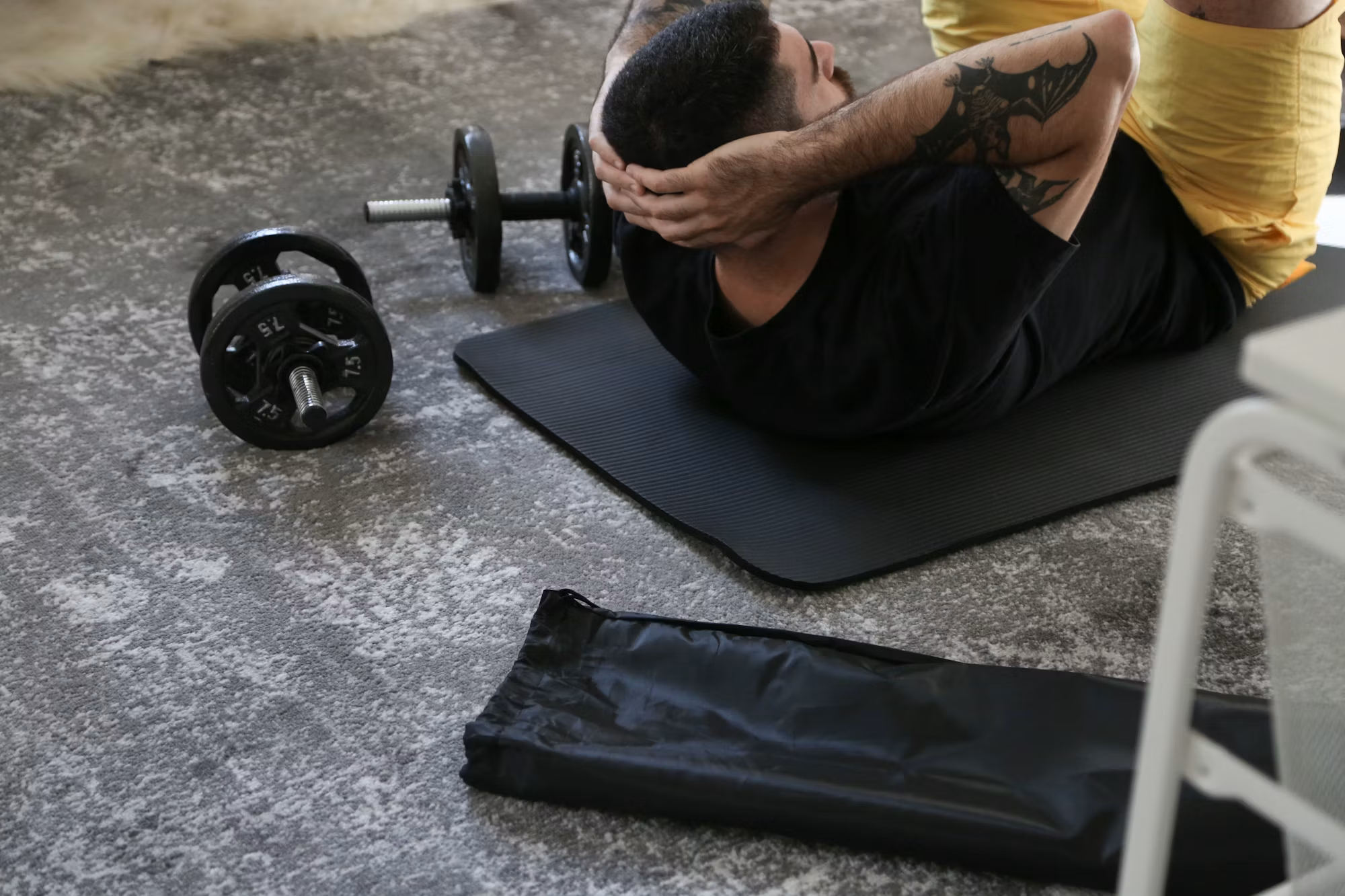
Embarking on a fitness journey is an exciting and transformative experience. Whether you are a seasoned athlete or a newcomer to physical activity, finding a routine that inspires you is essential for achieving your health goals. This article will delve into the fundamental components of a motivational fitness routine, highlighting the various types of exercises that can enrich both your physical and mental well-being.
The Foundation of a Motivational Fitness Routine
Creating a fitness routine that resonates with you starts with understanding your personal motivations and goals. Are you looking to improve your strength, boost your endurance, enhance your flexibility, or simply feel more energetic? By identifying your objectives, you can tailor your routine to align with what drives you, making it more enjoyable and sustainable.
Moreover, it’s important to consider your current fitness level and any limitations you might have. Whether you’re starting from scratch or trying to break through a plateau, setting realistic, achievable goals is vital. Remember, fitness is a personal journey, and it’s crucial to embrace your unique path. Setting specific, measurable, attainable, relevant, and time-bound (SMART) goals can help you stay focused and motivated throughout your journey.
Diverse Exercise Categories for a Well-Rounded Routine
To keep your routine engaging and effective, it’s beneficial to include a variety of exercise types. This not only helps prevent boredom but also ensures a comprehensive approach to fitness. Here are some key categories to consider:
1. Cardiovascular Exercise: Cardiovascular, or aerobic, exercise is fundamental for heart health and endurance. Activities like running, cycling, swimming, and dancing elevate your heart rate and improve circulation. Engaging in regular cardio exercise can enhance your mood, increase energy levels, and help maintain a healthy weight. Experts recommend at least 150 minutes of moderate-intensity aerobic activity per week, which can be broken down into manageable sessions.
2. Strength Training: Strength training is essential for building muscle strength and endurance. This includes weightlifting, bodyweight exercises, and resistance band workouts. Strength training not only helps improve muscle tone but also enhances bone density and metabolic rate. Incorporating exercises such as squats, deadlifts, and push-ups into your routine can significantly boost your overall fitness. Aim for at least two days of strength training each week, focusing on major muscle groups.
3. Flexibility Training: Flexibility exercises are vital for maintaining joint health and preventing injuries. Practices such as yoga and Pilates promote flexibility and core strength while enhancing overall balance. Stretching routines can improve your range of motion, alleviate muscle stiffness, and support better posture. Including a short stretching session at the end of your workouts can make a noticeable difference in how your body feels.
4. High-Intensity Interval Training (HIIT): HIIT workouts are a time-efficient way to boost cardiovascular fitness and burn calories. By alternating short bursts of intense activity with brief recovery periods, you can achieve substantial results in less time. HIIT can include various exercises such as sprinting, cycling, or circuit training. A couple of HIIT sessions each week can complement your other workouts and keep things exciting.
5. Functional Training: Functional training focuses on movements that mimic daily activities, enhancing strength, coordination, and balance. Exercises like lunges, kettlebell swings, and medicine ball throws prepare your body for real-life challenges, making everyday tasks easier and safer.
6. Mind-Body Exercises: Mind-body practices such as yoga, Tai Chi, and Qigong foster a connection between physical movement and mental awareness. These exercises not only improve physical flexibility and strength but also promote relaxation and stress reduction. Incorporating mind-body exercises into your routine can lead to greater emotional balance and mental clarity.
7. Group Fitness Classes: Joining group fitness classes can provide a sense of community and accountability. Classes range from Zumba and spinning to kickboxing and boot camps, offering a fun and supportive environment. Participating in group workouts can help keep you motivated and introduce you to new exercises and fitness trends.
Designing Your Personalized Routine
Creating a fitness routine that inspires you involves a few essential steps:
1. Assess Your Goals: Reflect on what you want to achieve, whether it’s improving cardiovascular health, increasing strength, or enhancing flexibility.
2. Choose Activities You Enjoy: Select a mix of exercises from the categories discussed above that resonate with you. The more you enjoy your workouts, the more likely you are to stick with them.
3. Schedule Your Workouts: Consistency is key to success. Block out time in your calendar for workouts, treating them as important appointments. Aim for a balanced routine that includes cardiovascular workouts, strength training, flexibility exercises, and mind-body practices throughout the week.
4. Listen to Your Body: Pay attention to how your body feels during and after workouts. Adjust the intensity and type of exercises as needed, and prioritize recovery to avoid burnout or injury.
5. Stay Adaptable: Life is unpredictable, and your routine may need to change. Be open to trying new activities and adjusting your schedule as necessary to maintain enthusiasm and motivation.
Overcoming Obstacles and Staying Motivated
Everyone encounters obstacles on their fitness journey, whether it’s time constraints, lack of motivation, or external distractions. To overcome these challenges, consider the following strategies:
– Find a Workout Buddy: Partnering with a friend can make workouts more enjoyable and hold you accountable.
– Set Short-Term Goals: Celebrate small victories along the way to keep your spirits high and maintain momentum.
– Mix It Up: Regularly changing your routine can prevent boredom and keep you engaged.
– Track Your Progress: Keeping a journal or using fitness apps can help you monitor your achievements and set new goals.
– Focus on the Benefits: Remind yourself of the positive effects of exercise, such as increased energy, improved mood, and enhanced overall health.
Conclusion
The journey to fitness is a personal and evolving experience that requires commitment, creativity, and self-discovery. By building a routine that incorporates a variety of exercise types, you can create a balanced approach to health and well-being. Remember to assess your goals, choose activities you enjoy, and stay adaptable as you navigate your fitness journey. With dedication and the right mindset, you can cultivate a lifestyle that inspires you to thrive and achieve your health objectives. Embrace the process, and enjoy every step of the way.